
More than 22,500 homes across Washington County have no air conditioning, according to John Wheeler, Washington County Emergency Management manager, leaving roughly one in 10 households without reliable heat relief as the region wraps up its latest stretch of 90-degree days.
The county's heat advisory expires at 11 p.m. Thursday, Aug. 6. But the vulnerability gap and the resources to address it extend well beyond this week.
The heat has already disrupted daily life locally. The Oregonian reported Wednesday, Aug. 5, that outdoor pools, sports camps and a Tigard concert were among the casualties of 96-degree heat and hazardous air quality.
Kathleen Johnson, senior program coordinator for environmental health in Washington County, said in a county heat-prevention guide published Thursday that heat kills more people annually than any other natural hazard, even though it lacks the dramatic visuals of hurricanes or tornadoes. She said consecutive days above 90 degrees with little overnight cooling pose serious health risks, especially as late-summer heat overlaps with wildfire smoke season.
Who's most at risk
County officials identify older adults, young children, people who live alone, outdoor workers, those with chronic medical conditions and residents without AC as the most vulnerable. The Portland metro area saw 72 heat-related deaths during the June 2021 heat dome, according to a Multnomah County report.
Grants and rebates for AC
Wheeler said the state legislature passed a bill after the 2021 heat dome to expand residential air conditioning through grants, rebates and other incentives.
Several programs remain open:
- Oregon Health Plan members may receive an air conditioner through the Home Changes for Health Benefits Program.
- Landlords managing multifamily housing can get reimbursement for cooling mini-splits through Energy Trust of Oregon.
- Renters and homeowners may qualify for heat-pump rebates through the Oregon Department of Energy.
- The Low Income Weatherization Program and Community Action nonprofit provide improvements to windows, doors and vents for eligible households.
Getting to a cooling center
TriMet may activate its extreme weather fare policy during emergency declarations or when temperatures hit 100 degrees. When active, riders heading to or from a cooling center can board without paying by telling the bus operator they are heading to a cooling space. Riders should check trimet.org/alerts for current activation status.
Washington County maintains an online map of cooling centers. Local options include:
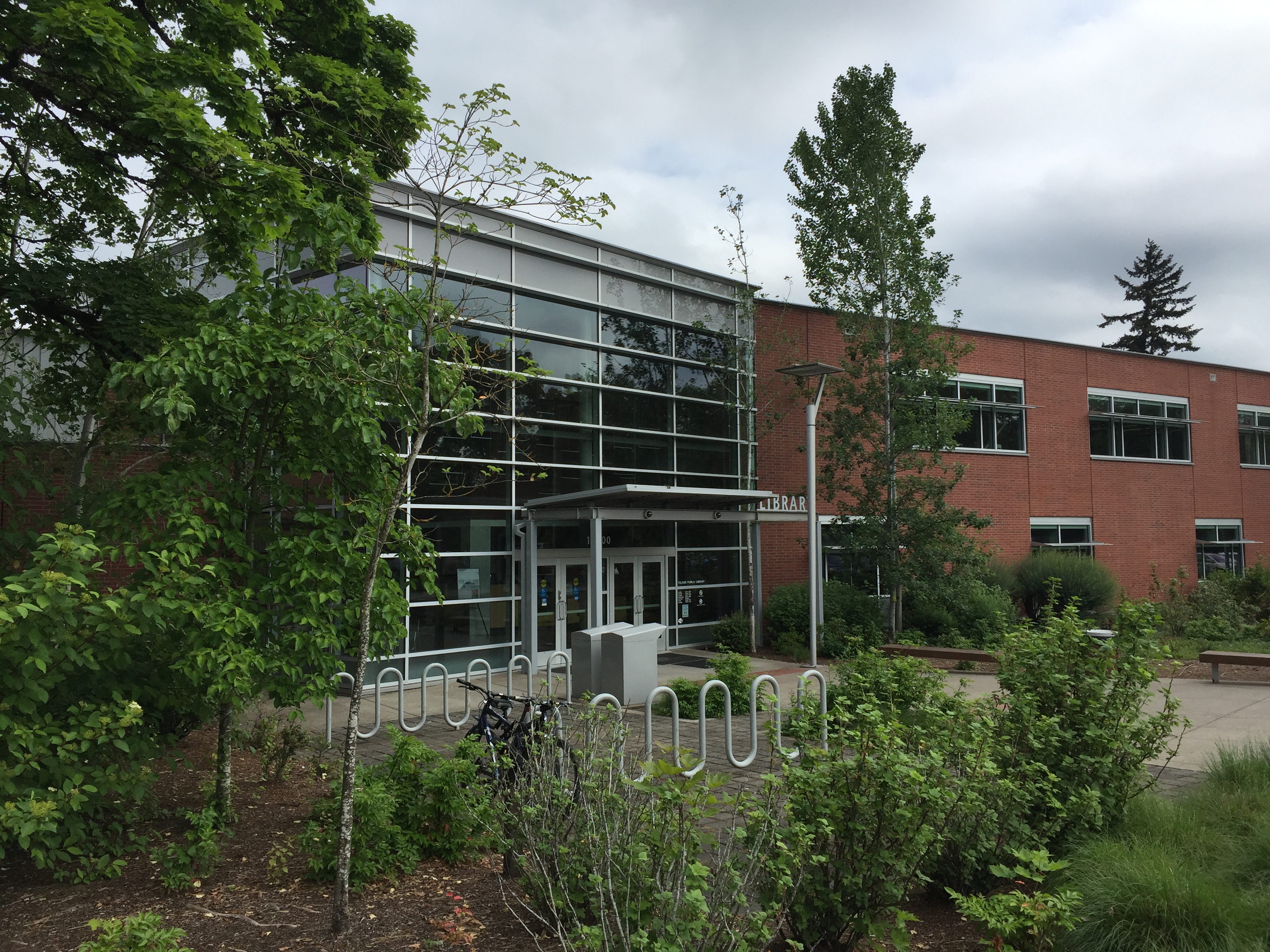
- Tigard Public Library, 13500 S.W. Hall Blvd. — open 10 a.m. to 8 p.m. Monday through Thursday, 10 a.m. to 6 p.m. Friday through Sunday.
- Tualatin Public Library, 18878 S.W. Martinazzi Ave. — same hours.
- Just Compassion Access Center, 12264 S.W. Hall Blvd., Tigard — served as a 24-hour emergency shelter through noon Thursday, accessible via TriMet bus Lines 12 and 43.
Check on your neighbors
A Washington County Public Health Division study found residents identified heat as the event most likely to affect their health but cited relationships with neighbors and local gathering centers as community strengths.
"If you know somebody in your neighborhood that lives alone, check in with them," Johnson said. "We also recommend that folks sign up for public alerts, which is a notification system (to receive) a text or an email when we do have a hazardous heat event coming up."
Residents can sign up for county heat alerts at tinyurl.com/275smmsu. The full list of resources is available at washingtoncountyor.gov/public-health/hot-weather.