Eight Tigard City Council candidates offered competing plans for replacing the city's failed $150 million police and public works bond. The positions appeared in a second round of candidate Q&A published by Tigard Life on Monday, Oct. 19.
With ballots in hand ahead of the Nov. 3 election, the candidates answered two questions: what path forward they support after the bond defeat, and how they would keep city spending in check.
The $150 million bond for a combined police and public works facility on Southwest Hunziker Road failed on May 19 when more than 62% of voters said no, according to Valley Times News coverage published in July. Mayor Yi-Kang Hu said at a July 28 council meeting that voters found the proposal too expensive and the city had not answered their questions.
Every candidate agreed the $150 million price tag was too high. They diverged on what comes next.
Tom Anderson, who said he participated in the 2026–27 budget process, and John Goodhouse both focused on the police facility as the top priority. Anderson said he supports a police-only bond measure within the next four years, postponing the public works yard. Goodhouse said the police department has struggled with a failing building for years, citing problems with records storage and officer recruiting.
Jeff Darland proposed separating the two projects entirely. He said police should stay downtown in a right-sized facility, with public works handled through a phased build at a different site. Darland also raised questions about the city-owned Wall Street property, which he said was bought with water-fund money but is not serving a water-system purpose. He said he opposes selling it at a loss.
Kate Ristau called for a smaller-scope project with a phased timeline and fresh community engagement before the city moves forward. Sue Garino echoed the phased approach and said the city should evaluate existing buildings and land that could be sold or repurposed.
Shawne Martinez, a former diesel mechanic and fabrication shop foreman, said the redesign should prioritize function over form. He suggested cutting costs by reducing private automobile storage and encouraging employees to use transit, e-bikes or carpools.
Gabriel Elijio Velásquez said future plans should focus on two priorities: storing police evidence in-house instead of paying outside fees, and sheltering public works equipment to protect past taxpayer investments. "A $150 million price tag was simply too high," Velásquez wrote in his response.
Yousef Allouzi called for reassessing facility needs and engaging residents before pursuing another bond.
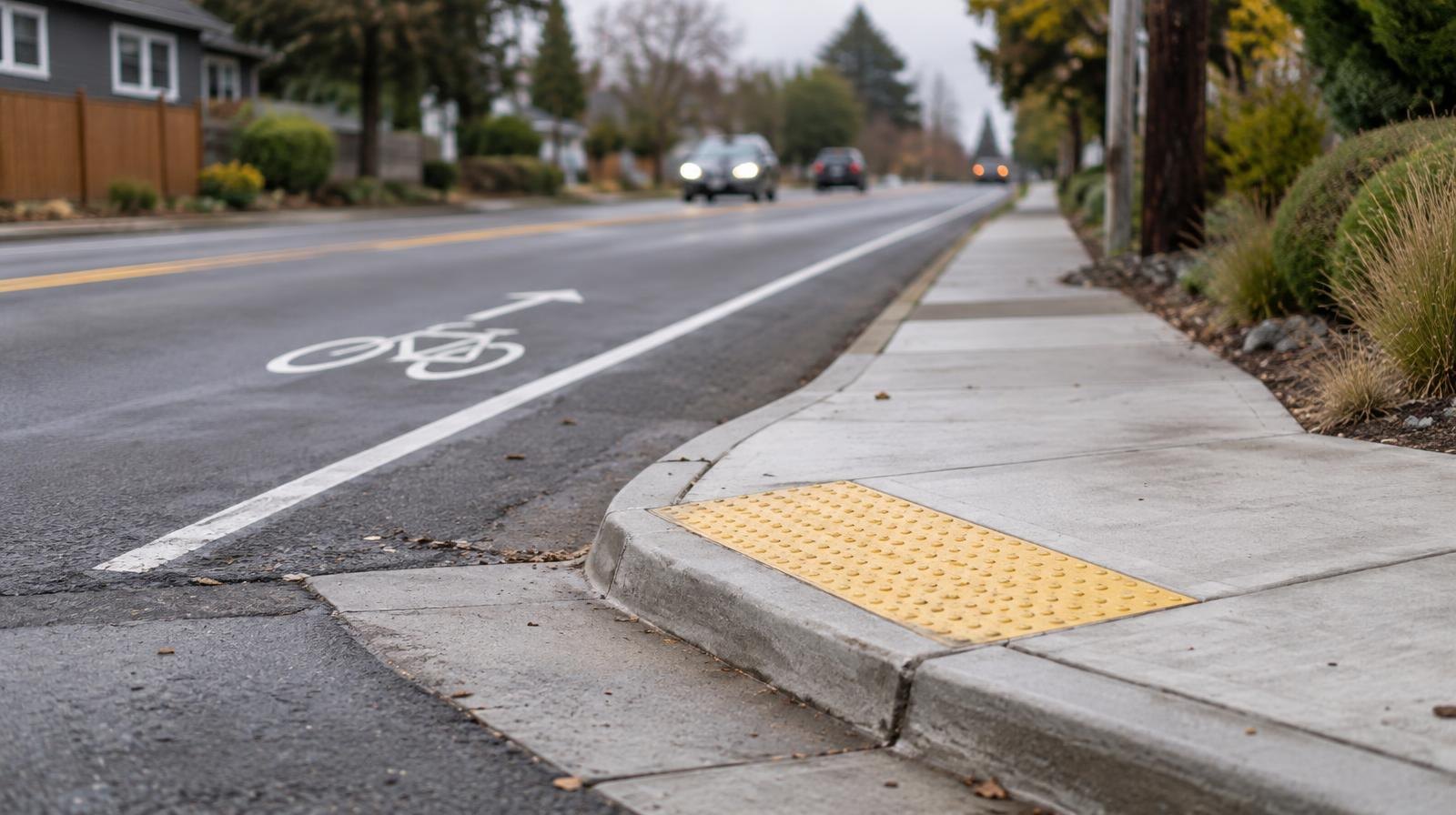
On fiscal discipline, Anderson said the 2026–27 budget process cut over $6 million across all departments and that future forecasts demand even greater discipline. Darland said he would scrutinize discretionary spending and push to fund growth-related work through development fees rather than the general fund. Martinez said reducing vehicle miles traveled through better bike and pedestrian infrastructure would lower road maintenance costs, noting he has bicycled every street in Tigard.
Velásquez said he would compare budgeted line items against actual spending to find where funds were over-earmarked or unused. Garino said she would stop using one-time money for ongoing programs.
Ballots are due by 8 p.m. on Tuesday, Nov. 3.