Two Tigard High School graduates are betting their futures on work that requires human hands and human judgment, choosing career paths they believe artificial intelligence cannot automate away.
Chobei Nivera and Emilio Campoverde, both Class of 2026, told The Wolf student newspaper on Monday, Aug. 24, that concerns about AI disruption shaped what they plan to do after graduation.
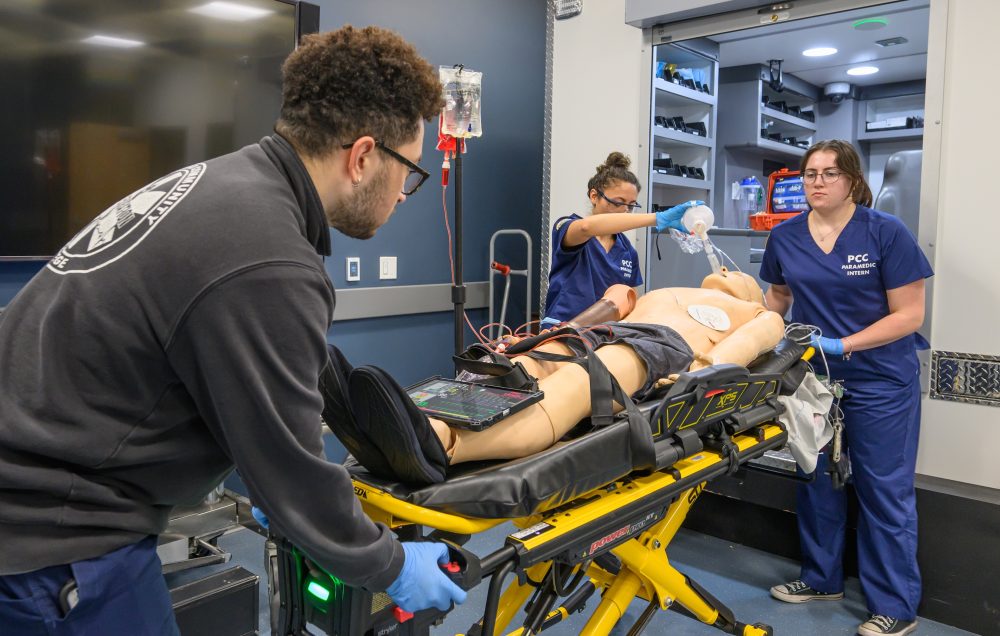
Nivera is majoring in kinesiology with plans to become a physical therapist and sports medicine physician. Campoverde is training as an EMT with a path toward paramedic certification and firefighting.
Their anxiety isn't unfounded. Nearly 9 in 10 graduates in the Class of 2026 are concerned that AI or automation could replace entry-level roles, up from 64% in 2025, according to a Fortune report citing Monster data. Entry-level job postings on Handshake are down 12% from pre-pandemic levels.
Campoverde said he originally planned to study sonography but pivoted after concluding the field would be automated. "AI is very scary in the fact that you may go to college for a four-year degree and then learn that degree means nothing because AI has taken it over," he told The Wolf.
He landed on first-responder work partly because of Oregon's paramedic shortage. "Oregon specifically always has a high demand because we actually have a national shortage of paramedics," Campoverde said.
That shortage is real.
The 2025 EMS Trend Report found that 59% of agencies nationally report inadequate staffing, and 76% of providers cite burnout as a critical issue. In April, Portland Community College received nearly $1 million from the Oregon Health Authority's HOWTO Grant Program to train up to 100 new EMTs statewide, with PCC handling 21 to 30 of those slots. Employer partners include Metro West Ambulance, and eligible candidates can be hired while still enrolled.
Nivera took a different angle. As a former student athlete, he said physical therapy appealed because it requires hands-on patient care that AI cannot replicate. He acknowledged one concern: AI's growing ability to detect diseases and provide diagnoses faster than humans. "With any type of error, it can alter someone's life in the most uncertain or dangerous way possible," Nivera said.
Tigard High School IT teacher Thor Kuhn framed the broader stakes in a May 12 article in The Paw, saying that "AI is the next 'Digital Divide'; the next generation of students leaving high school will be formed of the haves and have-nots of access to AI."
A British Standards Institution study found that 39% of business leaders had already reduced or cut entry-level roles due to AI, with another 43% expecting to do so in 2026, according to a Kellogg School of Management analysis.
For Campoverde, the calculus came down to two factors he said weren't on his radar as a freshman: job security and economic shifts. "I like the action of helping people when I can," he said. "And we get dental."