Tigard and Tualatin commuters joined thousands of Oregonians ranking highway maintenance and safety as top state transportation priorities in a new survey.
About 8,650 people across every Oregon county except Wheeler responded to the survey, first reported by the Oregon Capital Chronicle.
More than 60% of respondents live in the Portland metro area. Gov. Tina Kotek's 12-member "Rebuilding our Transportation Vision" workgroup, convened in May 2026, ran the survey between August and September as it works to close a $200 million gap in the Oregon Department of Transportation's (ODOT) 2027-29 budget.
Respondents ranked maintaining the transportation system as their top priority, followed by preserving key assets such as bridges, improving safety, making biking and walking easier, reliable public transit and better traffic flow.
The frustration went deeper than rankings. Nearly 4,600 people left written comments on that first question alone, and hundreds directed their anger at cuts to TriMet service. Hundreds of respondents said they depend on public transit because they cannot afford a car or have health conditions that prevent driving.
"Stop pushing ridiculously expensive freeway expansion projects that do nothing at all to address safety, congestion, connectivity or reliability in our transportation system … Develop and maintain a transportation system that provides options people can afford, rather than mandate car ownership," one respondent wrote.
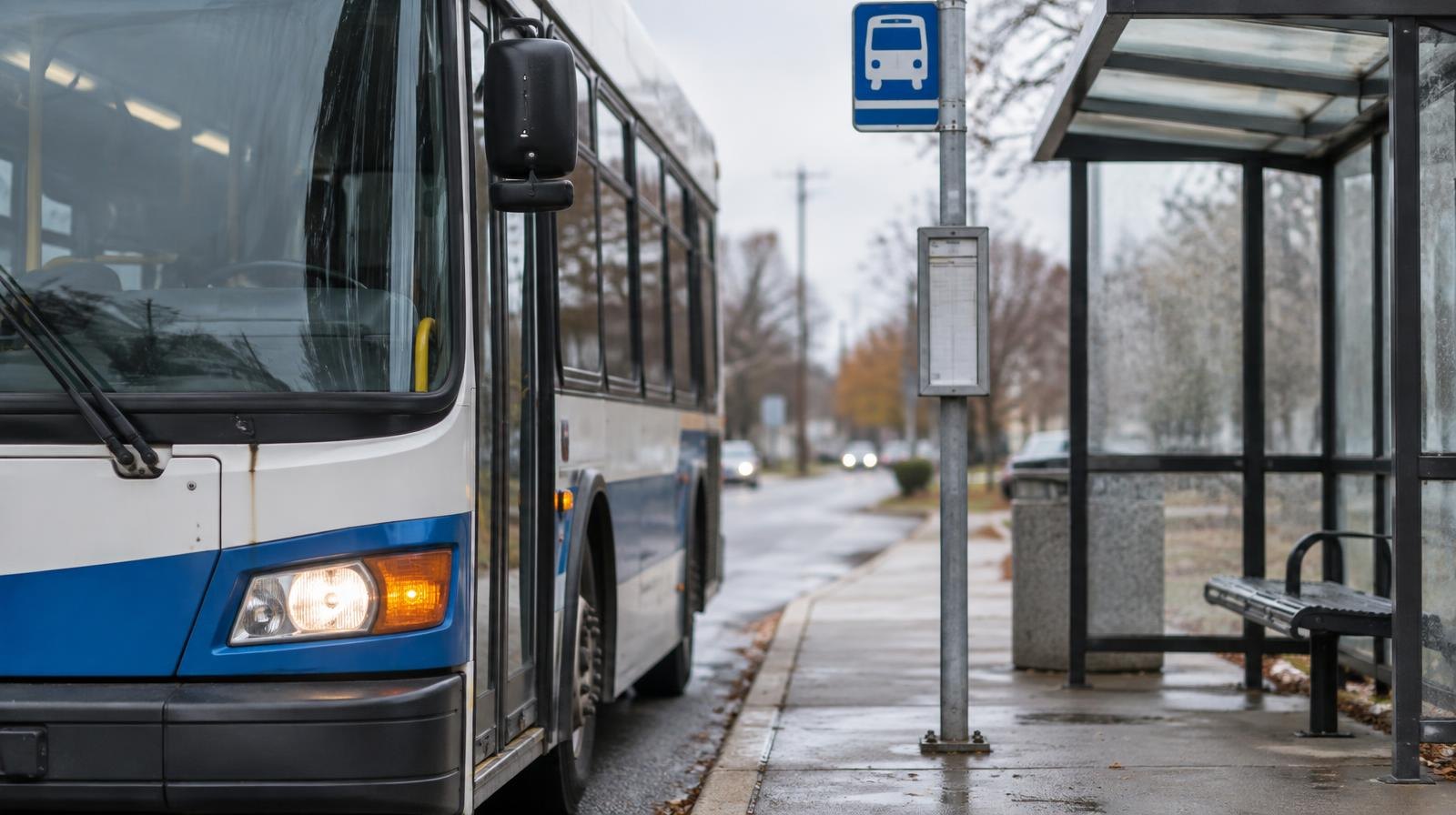
Those comments land in a region already feeling the squeeze. On Aug. 23, TriMet altered service on 34 transit lines, including adjusted routes and eliminated stops in Tigard, Tualatin, Beaverton and Sherwood. In Tualatin, Line 76 between Legacy Meridian Park Hospital and Oregon City was discontinued. Lines 37, 38, 96 and 97 were restructured, with Line 96 now running only during peak commute hours with limited stops between Barbur Transit Center and downtown Portland, according to Valley Times reporting.
TriMet reported a $158 million budget gap as of July 1 and said it is trying to close that gap in two years. The agency eliminated 504 positions between summer 2025 and summer 2026.
Tualatin Mayor Frank Bubenik has questioned whether the city is getting adequate return on its more than $9 million a year in payroll taxes to TriMet. "It's tempered down because we're working together," Bubenik told Tualatin Life in March, describing negotiations with TriMet over the proposed cuts. "For now, cooler heads – because they listened."
On the survey's final open-ended question, 20% of more than 6,800 respondents said they want a system offering transit options for people of all income levels. Another 19% called for more reliable public transit, and 17% said ODOT should focus on budgeting and delivering projects on time.
The state's infrastructure backlog adds urgency. Oregon has the second-highest gap between maintenance needs and actual spending among all states, behind New York and tied with Connecticut, according to a September Pew Charitable Trusts study. In 2022, the state reported more than $7 billion in highway and bridge maintenance needs but planned to spend only $2.8 billion, according to federal filings.
Kotek's workgroup is scheduled to review the survey results at its next meeting on Friday, Oct. 9. The group must present transportation funding recommendations to the governor by the end of the year. Lawmakers told the workgroup in July that for a third consecutive year, they will convene in January knowing ODOT cannot maintain current service levels without new revenue.