
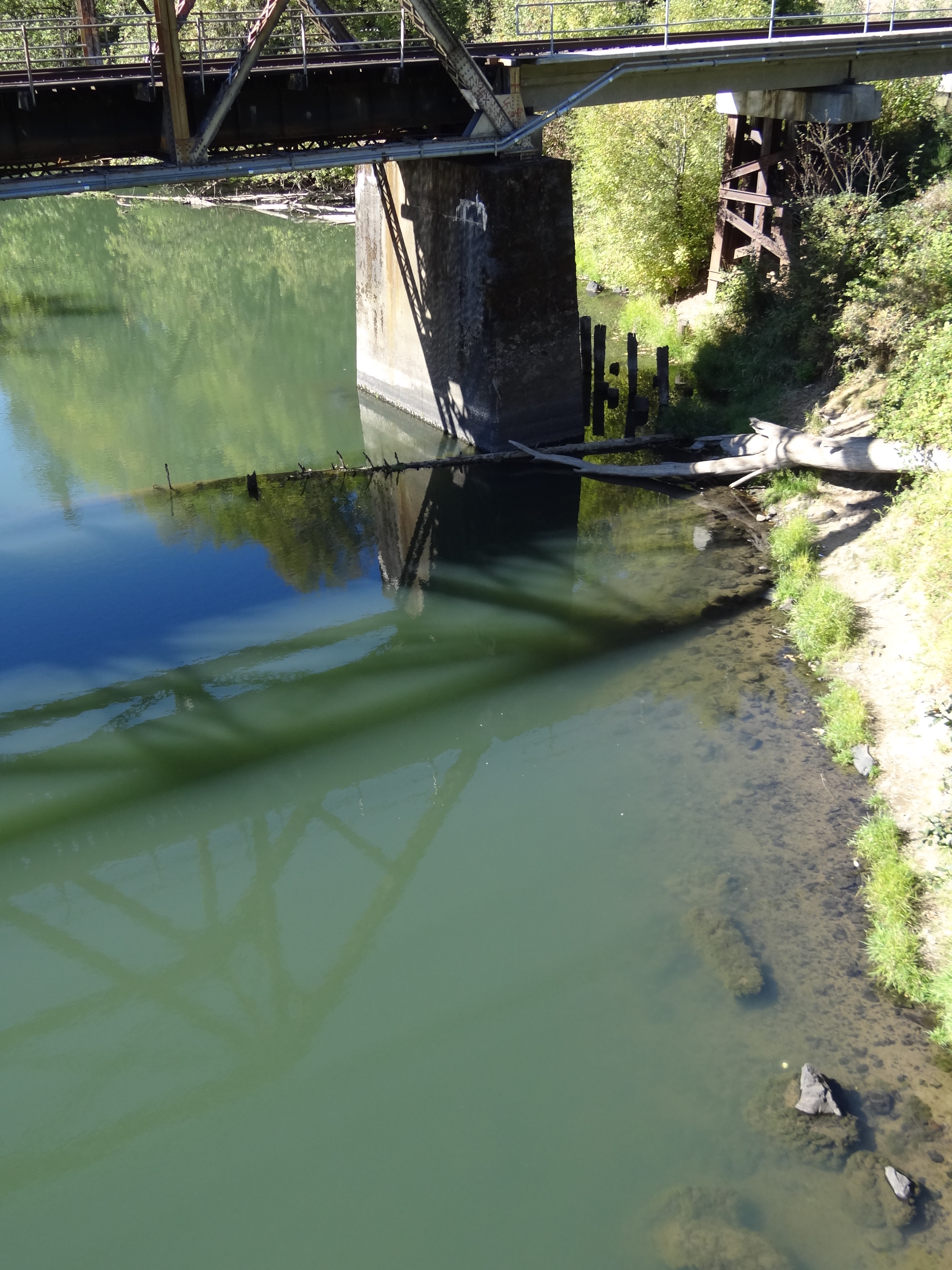
The Tualatin River watershed closed out its water year nearly three inches short on rain, and managed releases from reservoirs now make up more than half the river's summer flow through Tigard, Tualatin and surrounding communities.
Clean Water Services (CWS), the public utility serving more than 600,000 people across the watershed, reported Sept. 23 that the 2025-26 water year delivered 31.5 inches of rain as recorded at the Hillsboro Airport. The average is 34.2 inches.
Most of that rain fell in fall and winter. Spring was drier, a pattern CWS says has become more common in recent years. Lower spring rainfall means lower stream flows heading into summer, which pushed the utility to begin releasing stored water from Hagg Lake and Barney Reservoir in May.
CWS Water Resources Analyst Jake Dombrowski said the agency started those cool-water releases on May 12, prompted by warm, dry weather and a hot forecast. In an average year, CWS releases about 30 million gallons per day to maintain base flows, cool temperatures and support fish habitat, according to a May CWS announcement.
The numbers climb as summer wears on. Released and discharged water accounts for at least 50 percent of the Tualatin River's summer flow overall, CWS reported. By late summer, that share rises above 70 percent in the lower river, where water from Hagg Lake, Barney Reservoir and CWS recovery facilities in Forest Grove, Hillsboro and Tigard combines.
CWS manages those releases alongside its Tualatin River Flow Management Committee partners: the Joint Water Commission, Tualatin Valley Irrigation District and Lake Oswego Corporation. The Tualatin River supplies agricultural, industrial and urban users across Washington County.
Looking ahead, the National Oceanic and Atmospheric Administration (NOAA) predicts with 97 percent confidence that El Niño conditions will persist through spring 2027. The agency's September outlook puts an 81 to 90 percent chance on the event reaching "very strong" status by its expected peak between October 2026 and January 2027.
Separately, the National Weather Service's Climate Prediction Center forecast Sept. 17 a 75 percent chance this El Niño becomes the strongest on record, as Your Oregon News reported. The last four strong El Niño winters brought above-average precipitation to the Pacific Northwest, according to NOAA historical data. But Oregon State Climatologist Larry O'Neill cautioned that the unprecedented strength introduces uncertainty.
"We're kind of going into uncharted territory," O'Neill said in the Sept. 19 report. "It could defy our expectations."
Dombrowski said in the CWS report that the agency is watching the strengthening El Niño closely. "… A wetter winter will be a welcome change for the Tualatin River as we adapt to longer and drier summers, which impact the stream flows and water demand in what is already a highly managed river," he said.
The new water year begins Thursday, Oct. 1. As of Sept. 10, 91 percent of Oregon was in drought, according to the U.S. Drought Monitor.