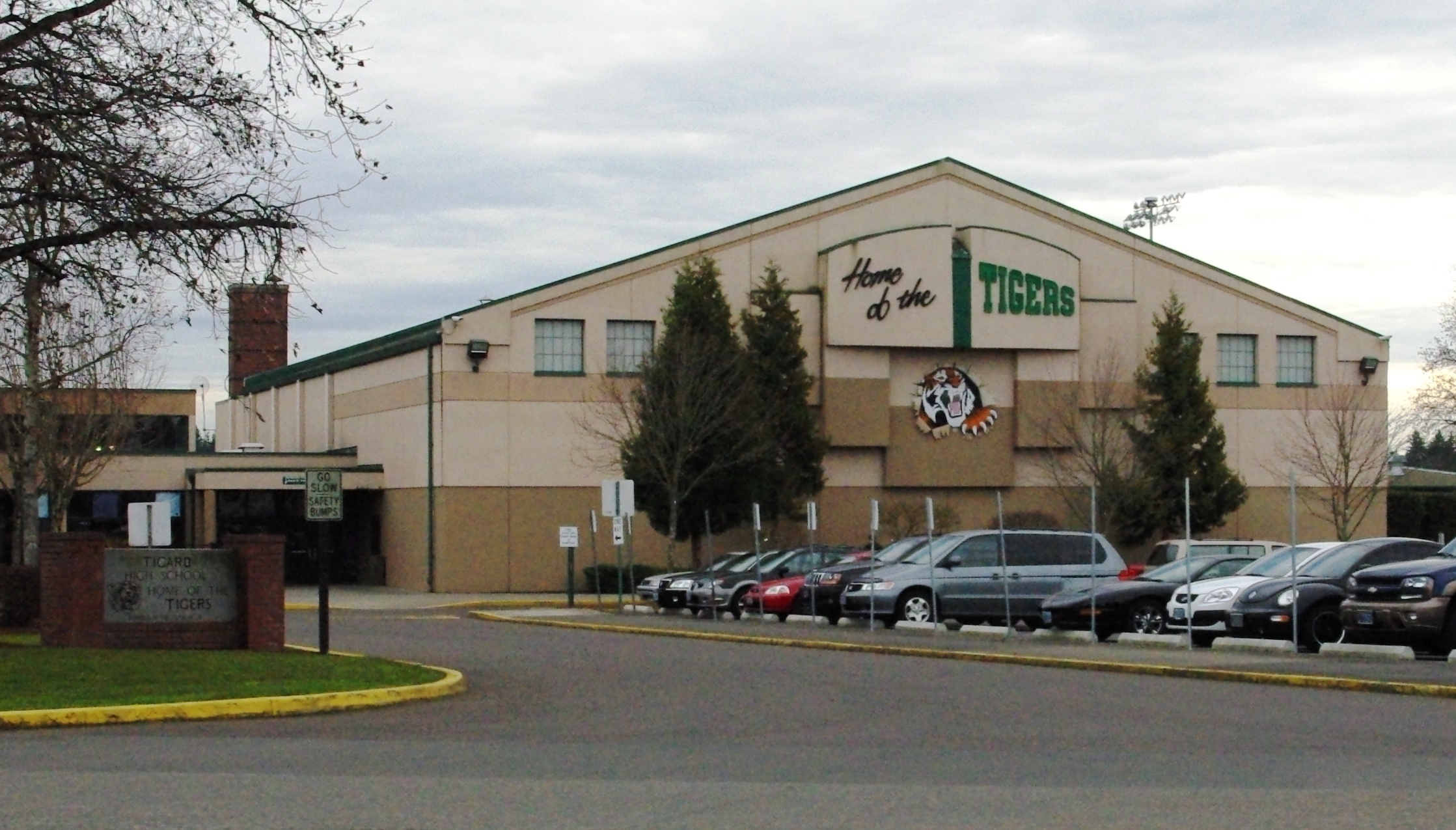
Tigard High School students heading into the 2026-27 school year face a shifting college landscape: rising Oregon tuition, growing skepticism about whether a bachelor's degree is worth the cost, and a demographic cliff that will reshape higher education for years to come.
Student reporters at The Wolf, Tigard High's newspaper, published a pair of articles Aug. 24 examining the converging pressures. The picture they paint is stark, especially for Oregon families.
The Western Interstate Commission for Higher Education projects the number of U.S. high school graduates peaked in 2025 and will fall 13% by 2041. Oregon's outlook is worse: WICHE data shows the state facing a projected 19% drop in graduates between 2023 and 2041, one of the steepest declines in the West.
The demographic math is straightforward. About 4.3 million babies were born in 2007; birth rates fell sharply after the Great Recession and never recovered. The Class of 2025 was projected to be the largest graduating class for the foreseeable future.
Tuition keeps climbing
Oregon's public universities have raised tuition for 12 consecutive years, according to The Wolf's reporting. The state's average annual increase runs about 4.3%, according to the Higher Education Coordinating Commission.
Oregon State University's trustees voted 12-2 in March to approve a 5.75% hike for returning undergraduates and 6.25% for incoming students, OPB reported.
State higher education leaders warned in August that without more legislative funding, Oregon's seven public universities and 17 community colleges could face steeper cuts and families could shoulder even higher costs.
The Legislature has directed the Higher Education Coordinating Commission to conduct a revitalization study under House Bill 4124, with recommendations due in the 2026-27 cycle.
Local students weigh options
Felicia Rhee, a Tigard High senior quoted in The Wolf's reporting, said the cost is reshaping how students think about their paths.
"Especially with college becoming crazy expensive and impossible for some to achieve, other options like community college and other immediate work opportunities are becoming more acceptable and put in the spotlight than they were before," Rhee told The Wolf.
Jennifer Butts of Tigard High School's College and Career Center noted the shift is already visible locally. "There has been an uptick in students attending community college," Butts said in a companion Wolf article published Aug. 24 examining tuition pressures.
One potential upside for students who do apply: fewer applicants could mean higher admission rates at some institutions.
As we reported Aug. 25, Tigard High graduates are also rethinking career choices in response to artificial intelligence. The Higher Education Coordinating Commission's revitalization study is expected to deliver recommendations by mid-2027.