Tualatin's wages are growing faster than the county, the Portland metro area, and the state average.
Its top three industries employ nearly 13,200 workers and showed strong growth over the past decade. But the city may not have enough land to keep the momentum going.
That was the picture Tualatin Economic Development Manager Sidaro Sin and consultant Matt Craigie of ECONorthwest painted for the Tualatin City Council at its Monday, July 13 meeting, according to Tualatin Life.
The presentation benchmarked the city's economy against its 2019 Economic Opportunities Analysis, a document ECONorthwest also prepared as part of the Tualatin 2040 comprehensive plan.
The takeaway: the local economy has outperformed expectations on several fronts, but structural challenges loom.
Tualatin's population has grown 6.4% since 2014, reaching roughly 28,300 residents at an average annual rate of 0.6%. Employment grew 1.9% since 2021. Craigie told councilors the city's economy would be the envy of many communities, calling it "doing great" and praising the companies that have located there.
The 6% problem
One statistic stood out: only 6% of people who work in Tualatin also live there.
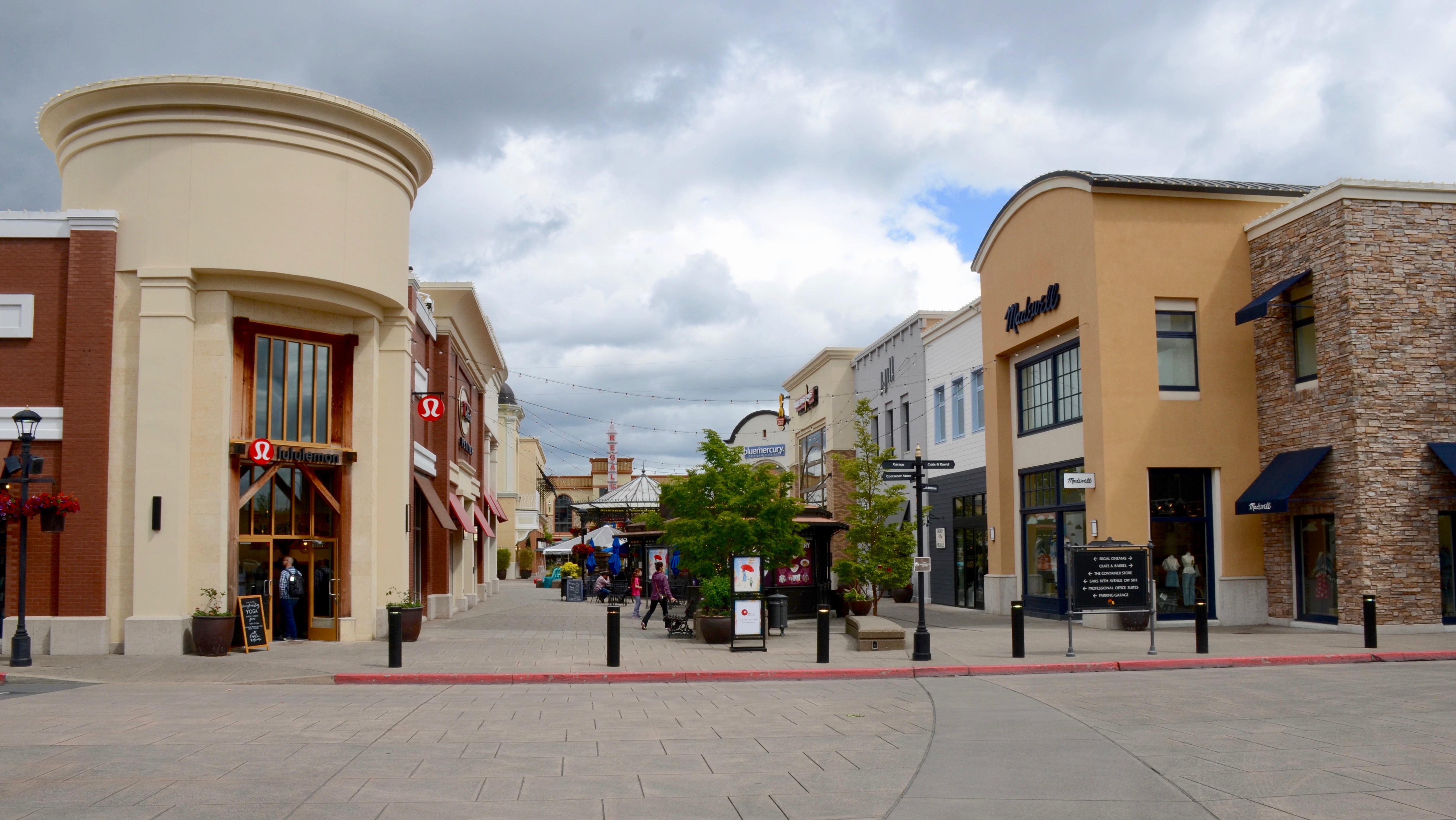
Craigie framed that gap as an opportunity, pointing to the city's Downtown Revitalization Project as a tool to convert commuters into residents. As we reported July 15, Metro awarded Tualatin $740,000 to fund Phase 3 of that downtown project, covering roughly 300 acres around the Lake at the Commons.
Land is the bottleneck
Mayor Frank Bubenik pressed the presenters on a practical constraint.
"When we do want to attract more high-tech manufacturing, and they are interested in Tualatin, the challenge we're gonna have is, do we have the land and the infrastructure for them to build on?" Bubenik asked.
Sin pointed to active development in urban renewal zones, specifically the Southwest and Basalt Creek Development Area, as examples of how the city is addressing the shortage. The 2019 EOA, now seven years old, had already identified a deficit of roughly 74 acres of industrial land and 175 acres of commercial land needed to accommodate projected growth through 2040. Those figures may have shifted with subsequent development, but they illustrate the scale of the constraint Bubenik raised.
What's next
Sin told councilors the city would begin reanalyzing its economic strategy because macroeconomic conditions have shifted since 2019. He said he and the urban renewal team would return with updated findings in fall 2026, with a formal economic opportunity analysis update planned for 2027 and new economic strategies to follow in 2028.
Tualatin City Council meets Mondays. Residents can find agendas and public comment information on the city's website.