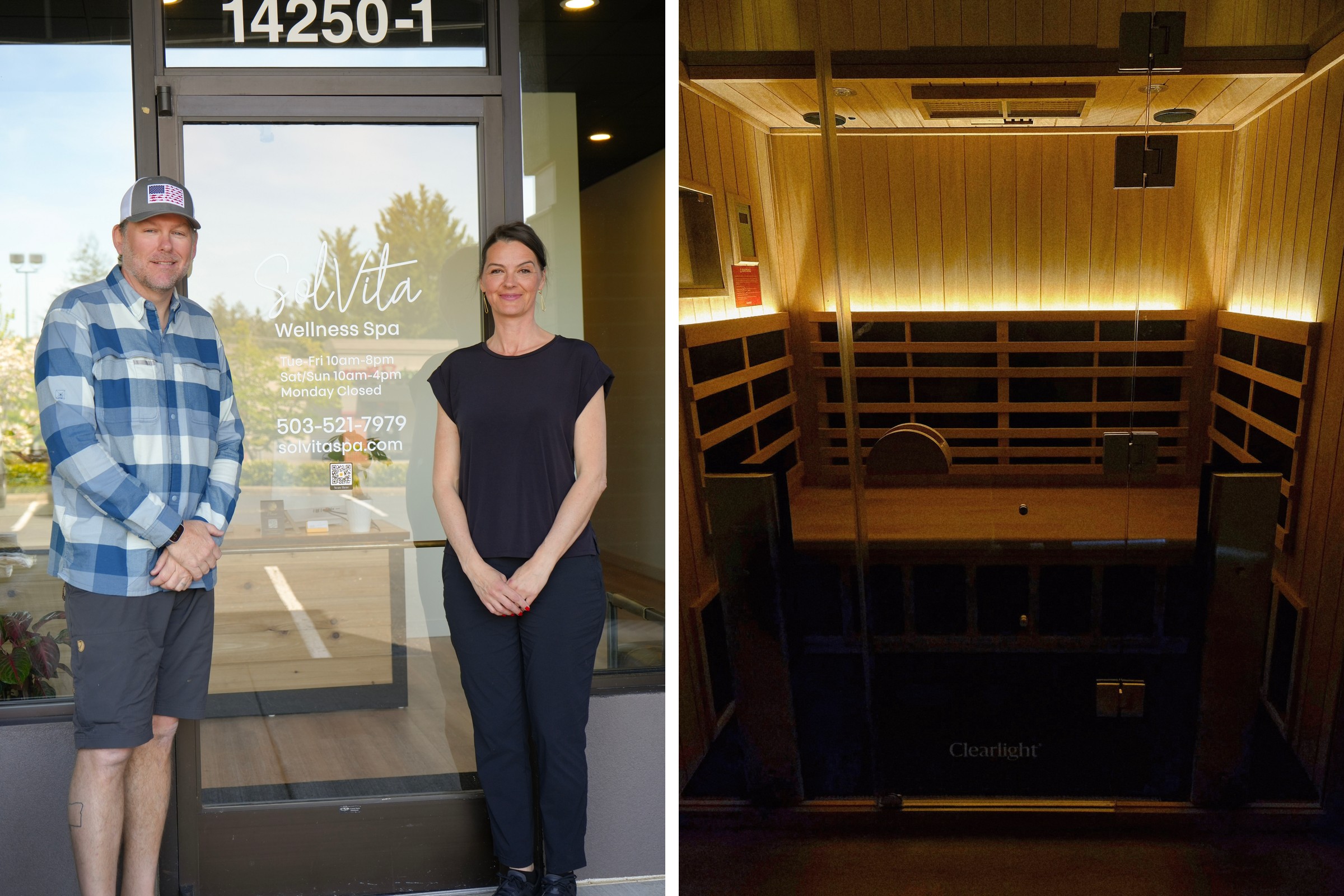
Before opening SolVita Wellness Spa in Tigard, Oregon, Tonie Lough spent years helping people get stronger as a personal trainer. Over time, she became interested in something easily overlooked in the pursuit of fitness: whether people could slow down enough to notice how they felt.
“How long since your shoulders came down away from your ears?” Lough asks. “How long since you took a big deep breath?”
Her questions resonate against a broader backdrop of mental distress. According to the CDC's 2024 state estimates, 19% of Oregon adults reported that their mental health—including stress, depression and emotional difficulties—was not good for at least 14 of the previous 30 days.
That statewide figure provides context, rather than a measure of Tigard specifically.
Within Tigard, access to care is also a concern. In the city’s 2025 National Community Survey, just 39% of respondents rated the availability of affordable, quality mental health care as excellent or good. City of Tigard
Lough’s interest in stress became personal after she experienced unexplained symptoms while living in a remodeled house where, she says, mold was discovered. She sought medical care and describes a treatment journey lasting approximately two years. The experience left her with empathy for people struggling to understand what is happening in their bodies.
Lough also noticed during the COVID-19 global pandemic that people realized slowing down is necessary.
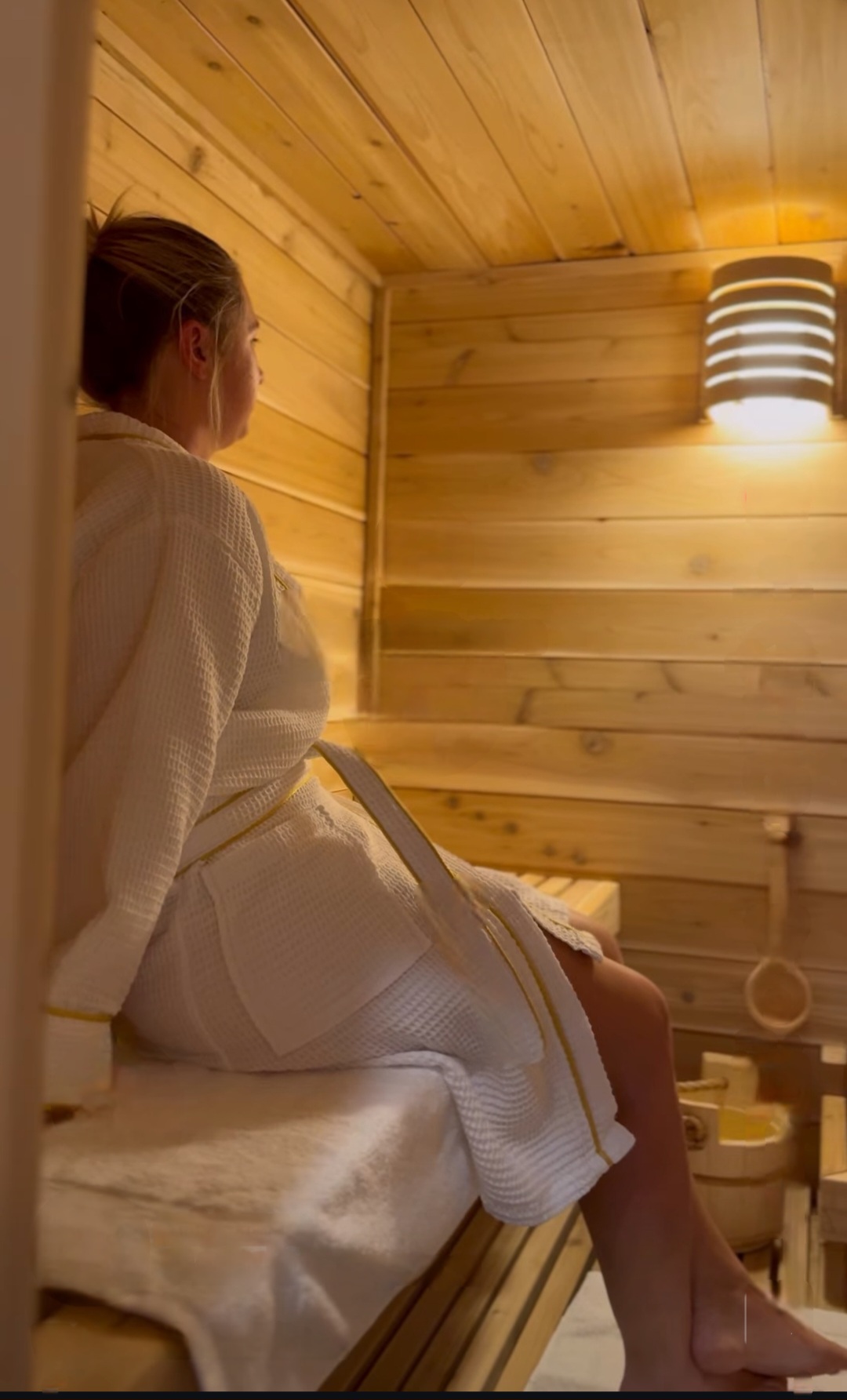
During that period, she developed an interest in sauna and red light therapy, which later helped shape SolVita’s offerings. But one of the tools she most frequently discusses with clients requires no equipment: breathing.
Research from Cell Reports Medicine offers some support for that emphasis. A 2023 randomized study involving 108 adults compared five minutes of daily breathing exercises with mindfulness meditation over one month. Researchers found improvements in mood and reductions in anxiety across the practices, with exhalation-focused “cyclic sighing” showing particular promise for improving positive mood and lowering respiratory rate. These findings concern structured breathing, rather than the effectiveness of spa treatments.
At SolVita, Lough says clients seek services for concerns ranging from workout soreness and joint discomfort to sleep difficulties. She also recalls a woman seeking relief from neck soreness after a fall who had already visited an emergency department.
Lough emphasizes that the spa’s role has limits. Some clients require medical clearance, and she wants a strong referral network for needs beyond her expertise.
“We’re not claiming to be any type of a cure,” she says.
Community is equally central to her vision. She designed the lobby with room for neighbors to stop and chat, and she is building relationships with nearby fitness studios and health practitioners.
For Lough, the business begins with listening.
“I can be an empathetic ear at the very least,” she says.


1 / 3
Courtesy: SolVita Spa